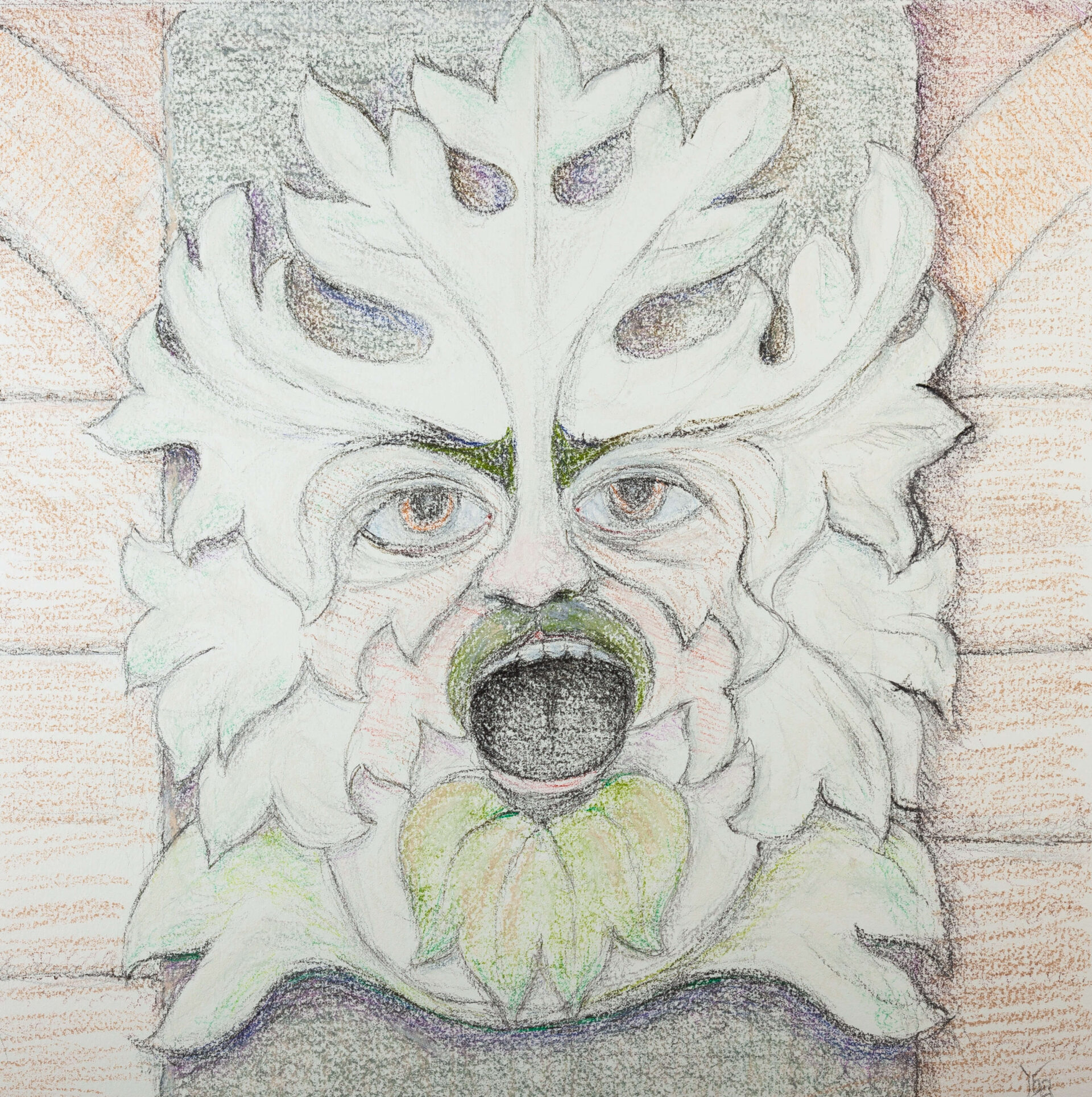

Natural theology (Hawthorn)
watercolour pencils, Indian ink, gold leaf 23 x 23 cms. f NFS
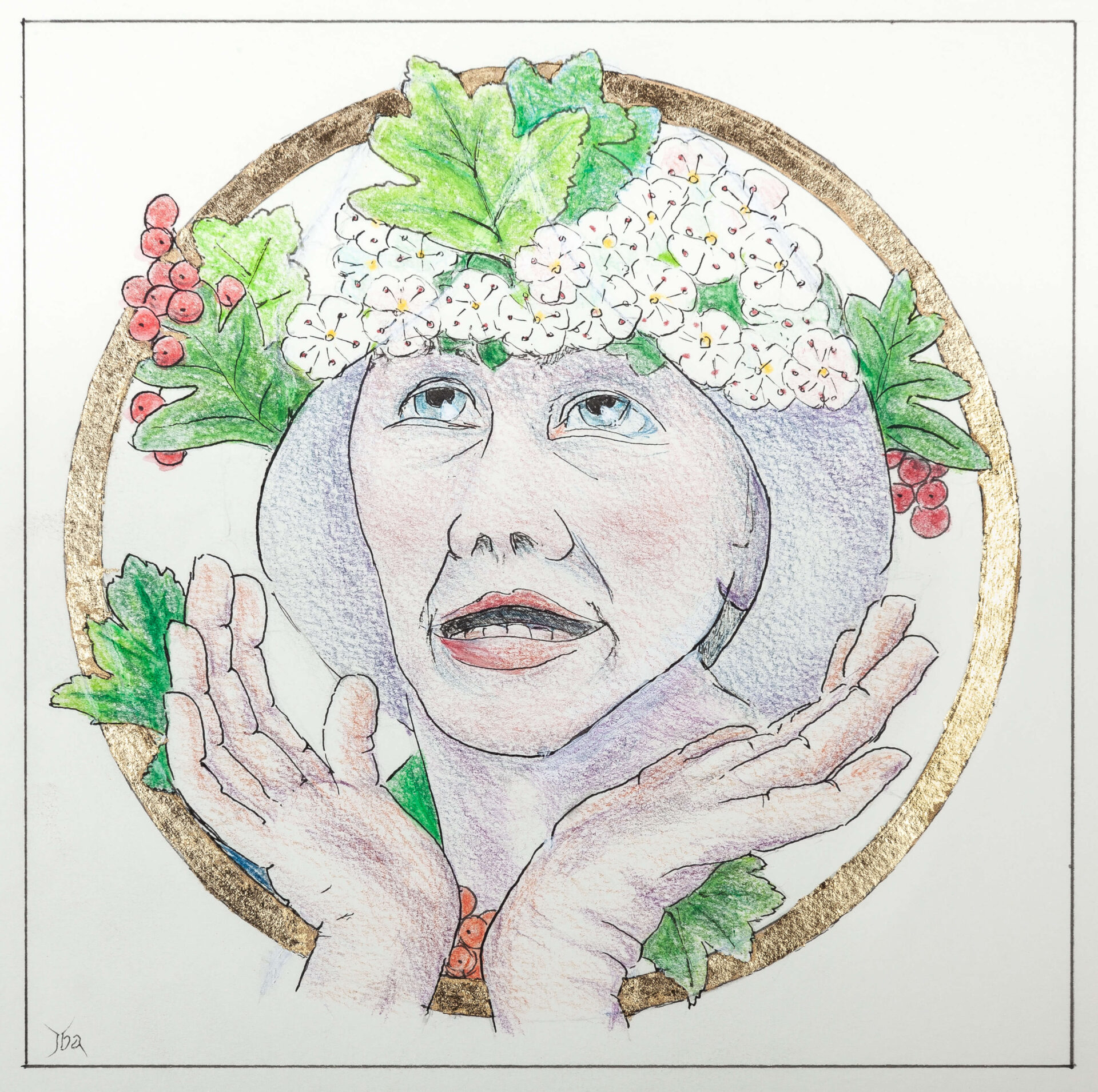
Prophecy (Holly)
watercolour pencils, indian ink, gold leaf 23 x 23 cms. f. NFS
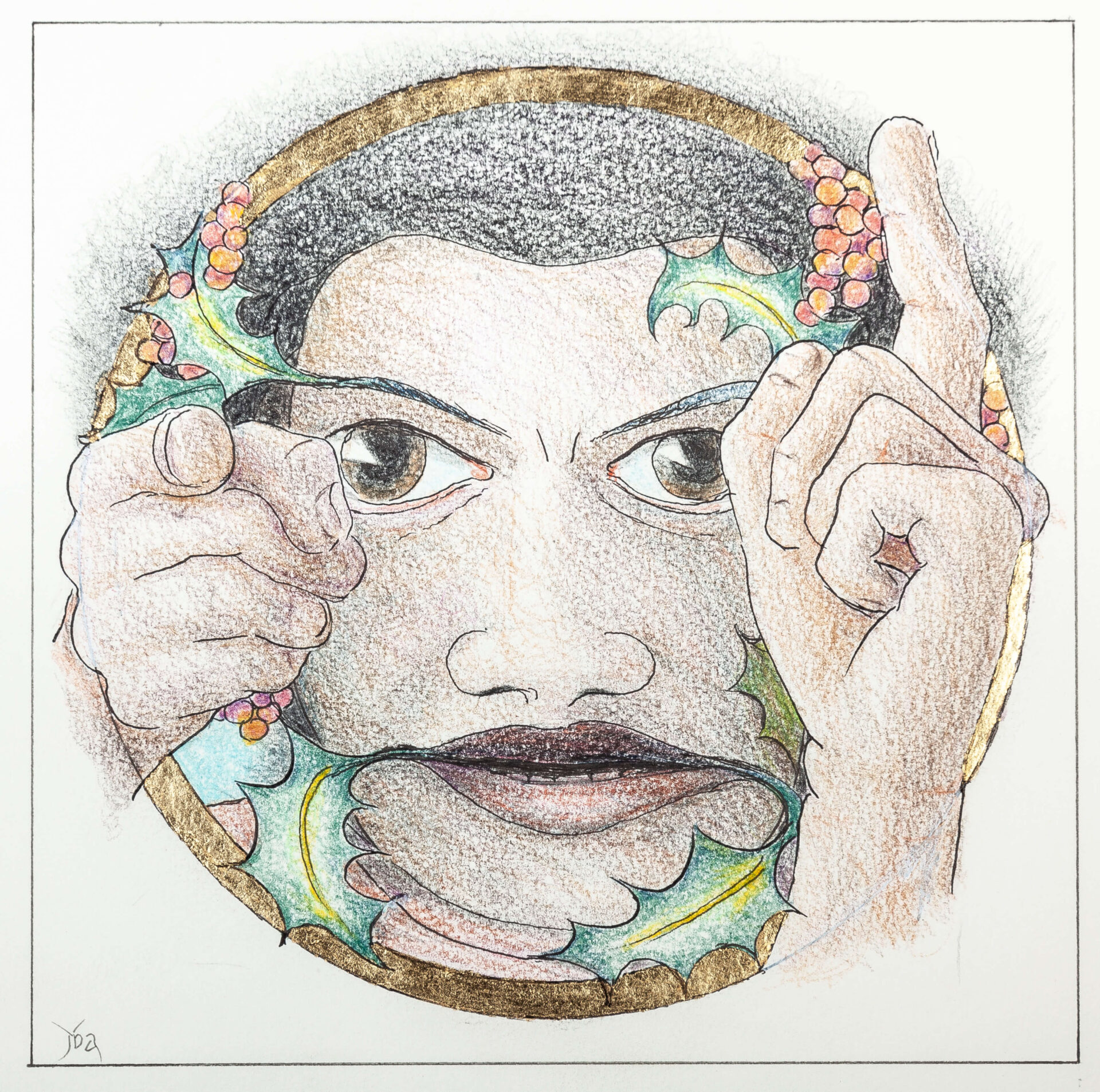
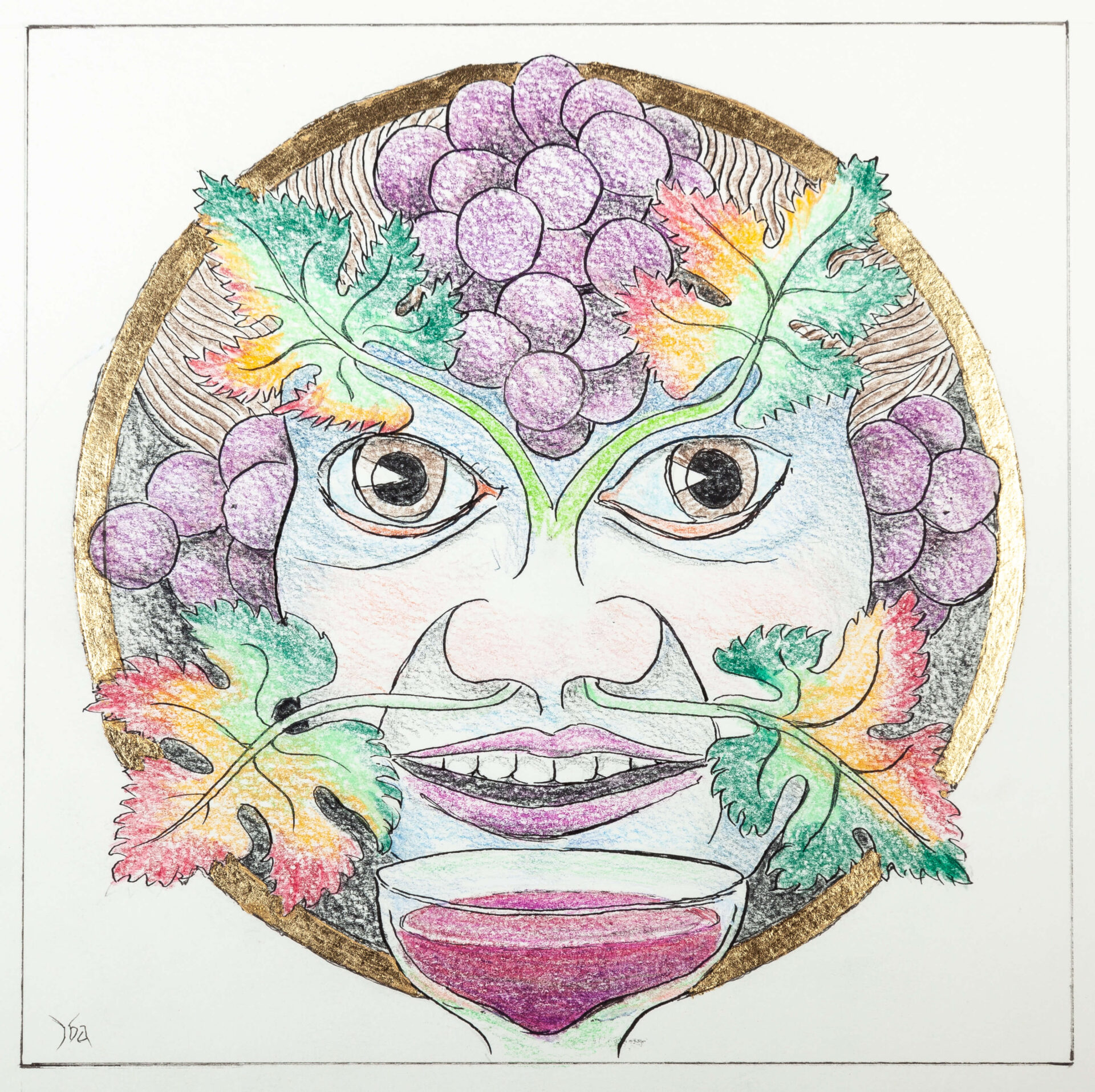
Inspiration (The Vine)
watercolour pencils, indian ink, gold leaf 23 x 23 cms. f. NFS
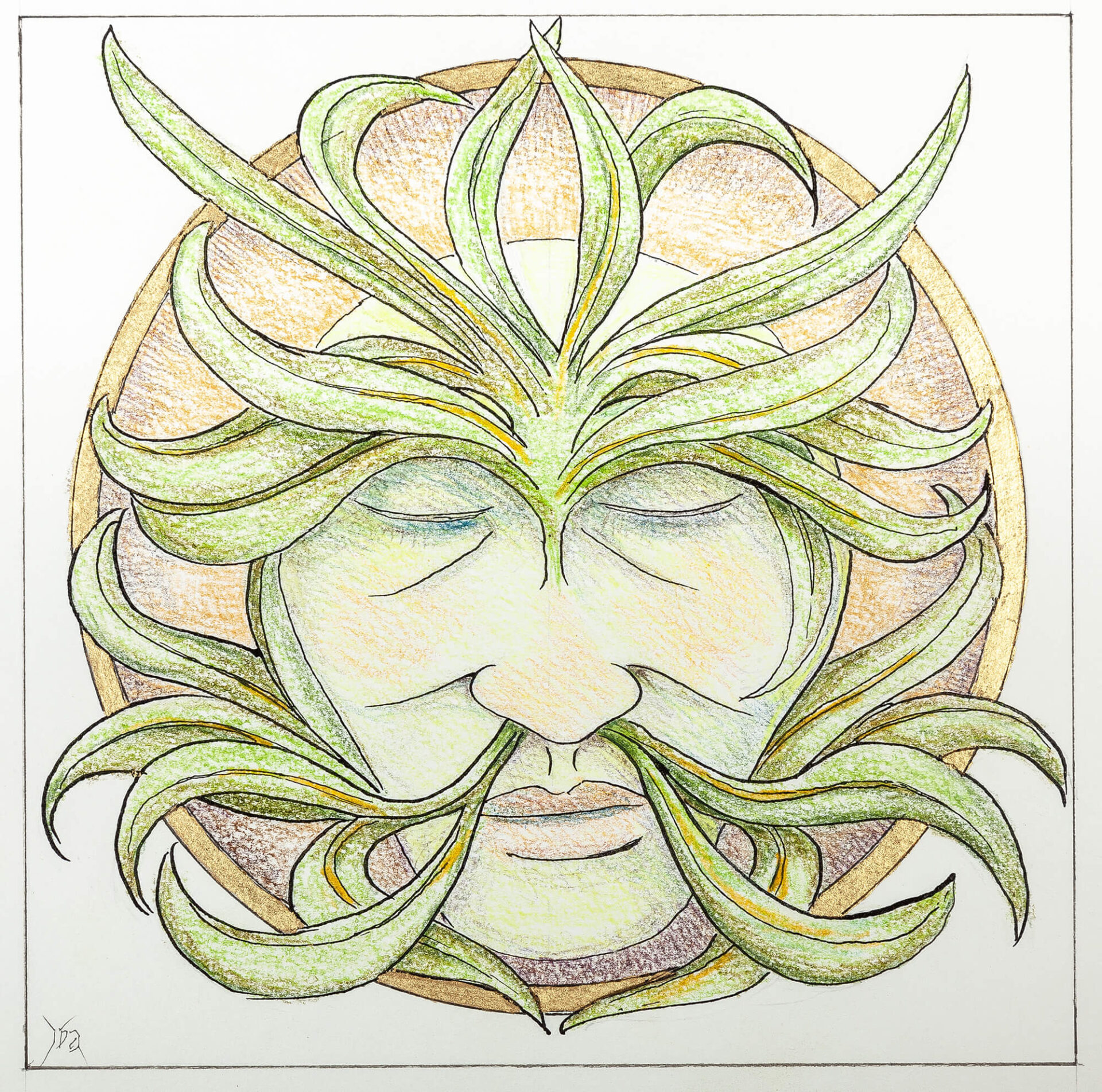
Willow (Spirituality)
watercolour pencils, indian ink, gold leaf 23 x 23 cms. f. NFS
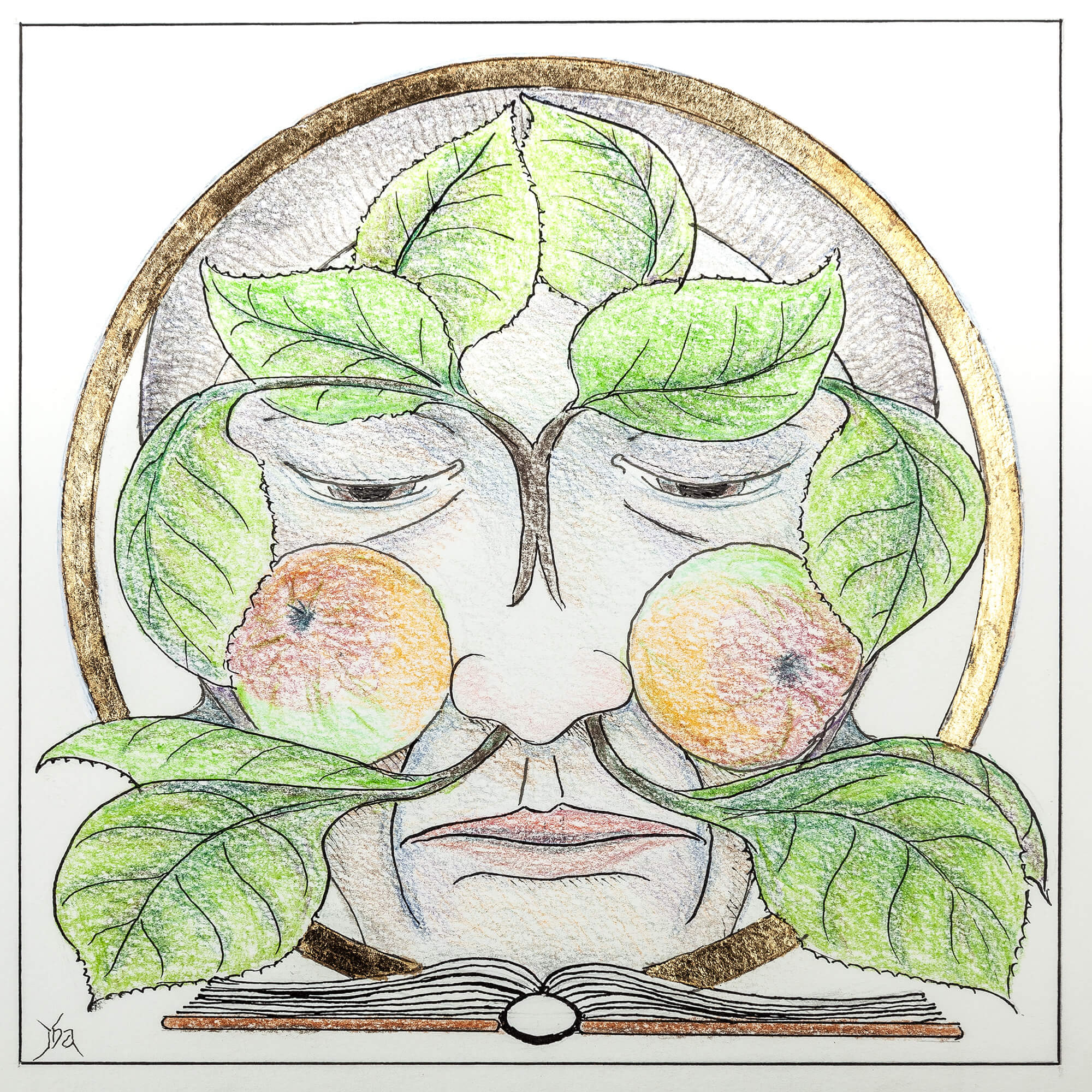
Apple (wisdom, learning)
watercolour pencils, indian ink, gold leaf 23 x 23 cms. f. NFS

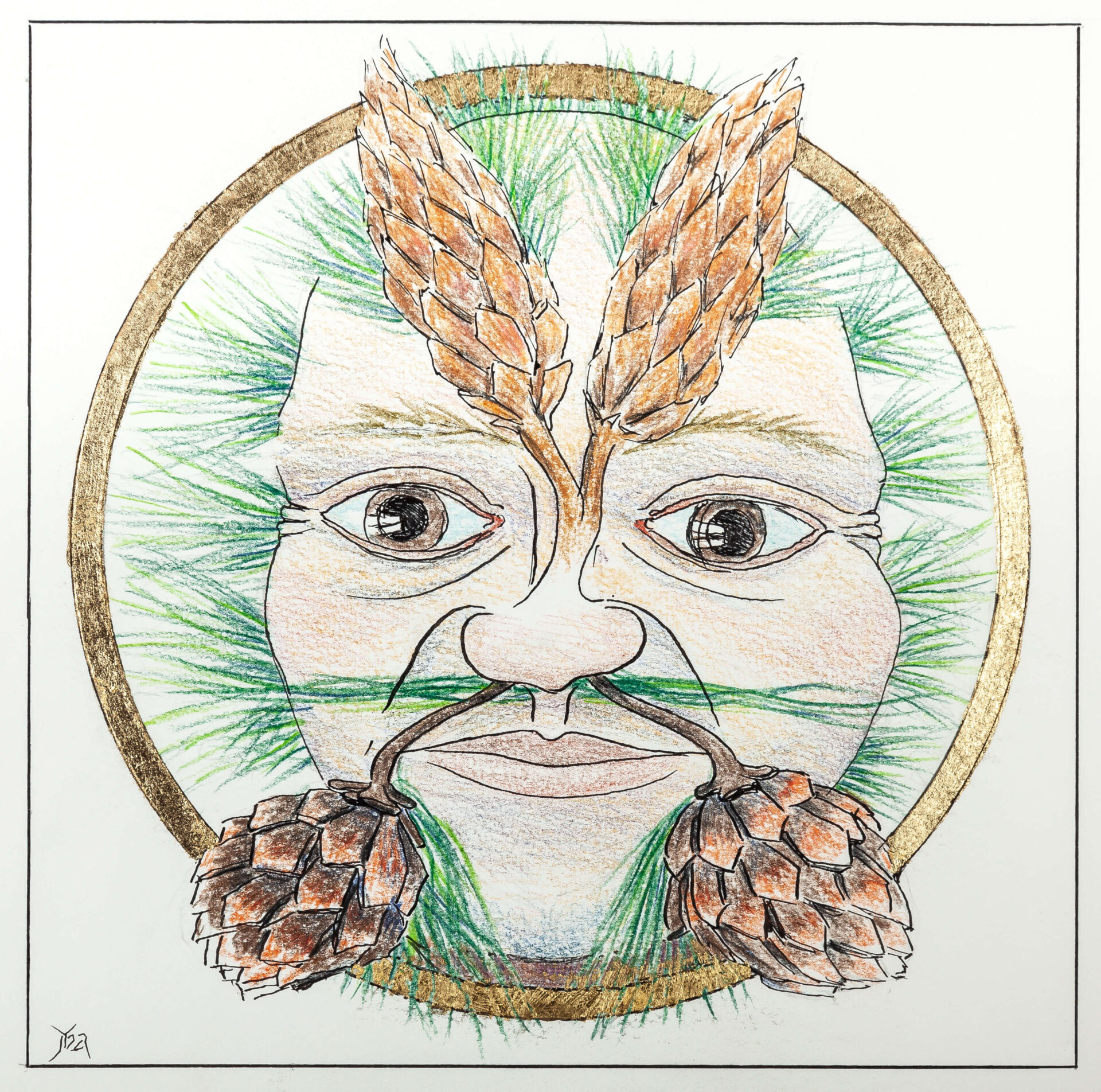
Pine (service)
watercolour pencils, indian ink, gold leaf 23 x 23 cms. f. NFS
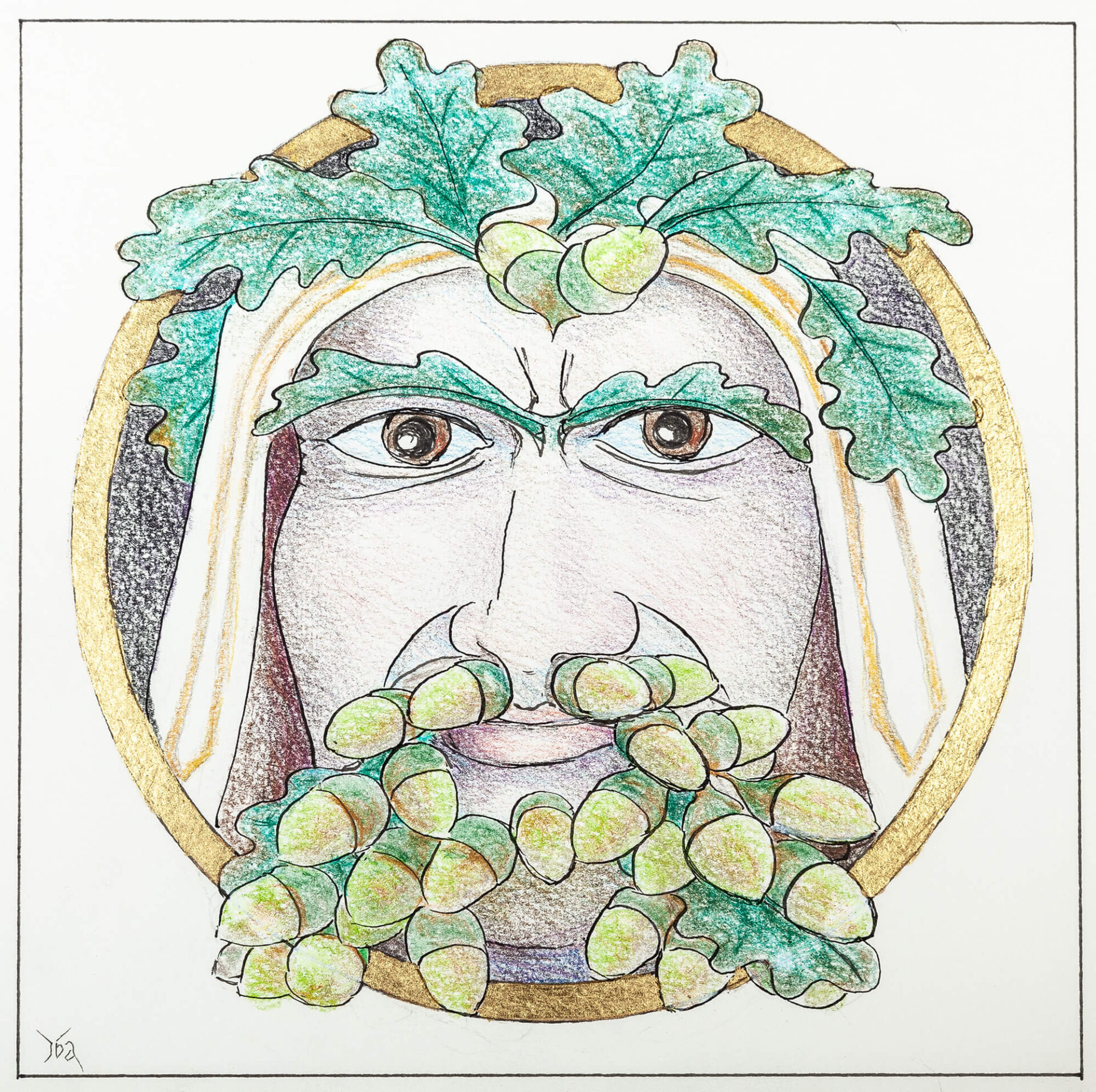
Oak (tradition)
watercolour pencils, indian ink, gold leaf 23 x 23 cms. f. NFS
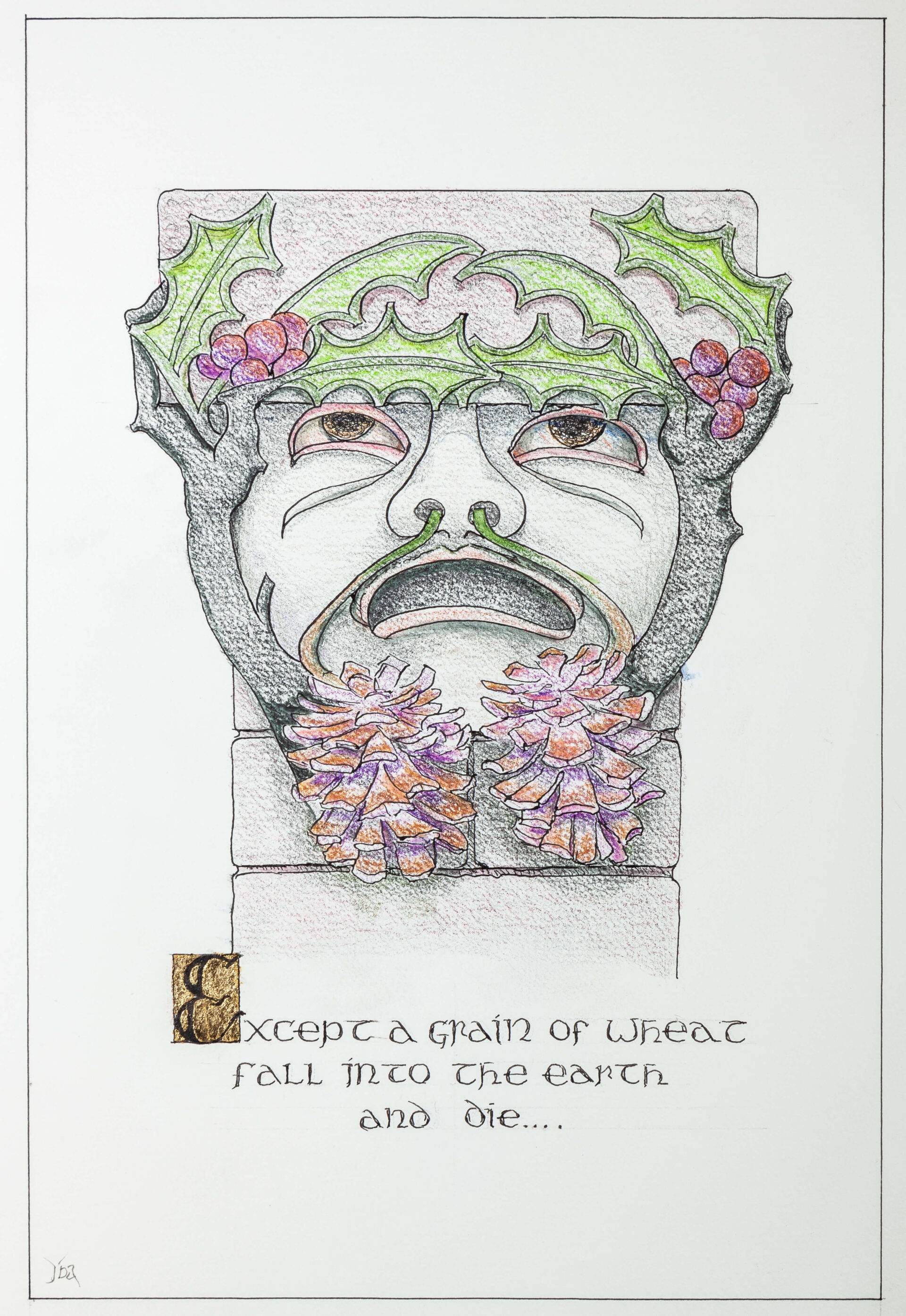
Crucifixion (Holly, pine)
watercolour pencils, indian ink, gold leaf: 25.5 x 38 cms. f. NFS
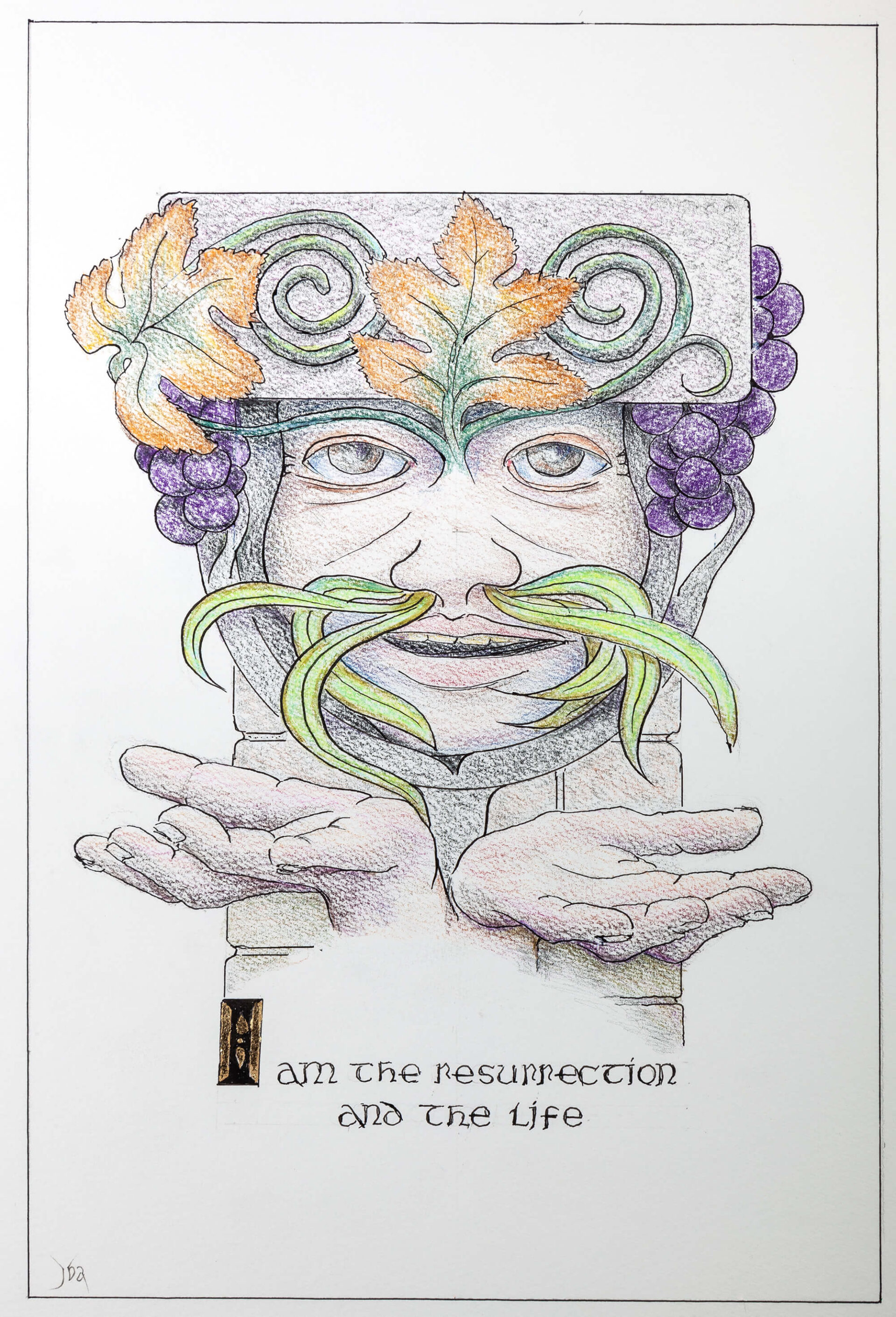
Resurrection (Vine, willow)
watercolour pencils, indian ink, gold leaf: 25.5 x 38 cms. f. NFS
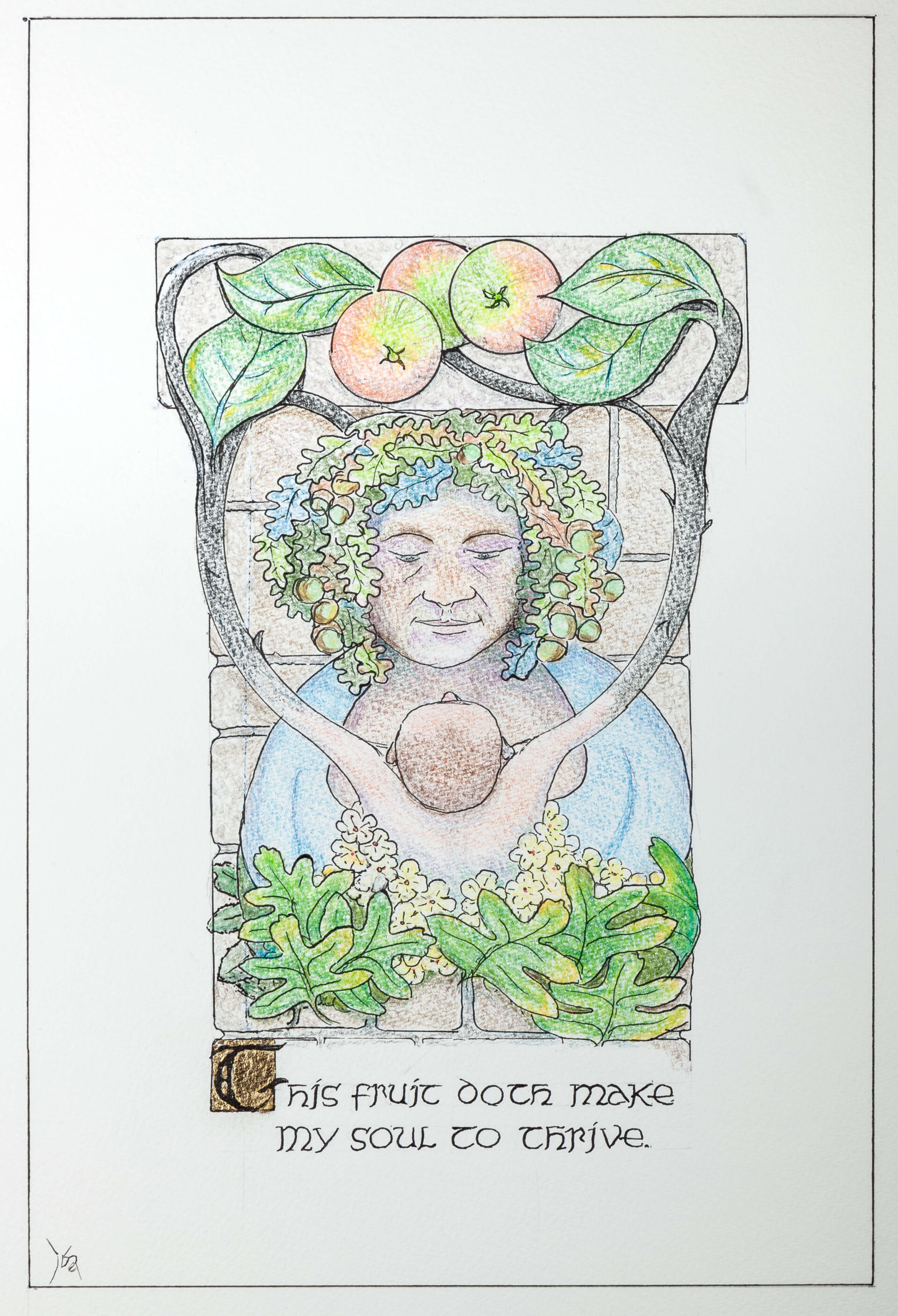
Incarnation
watercolour pencils, indian ink, gold leaf: 25.5 x 38 cms. f. NFS
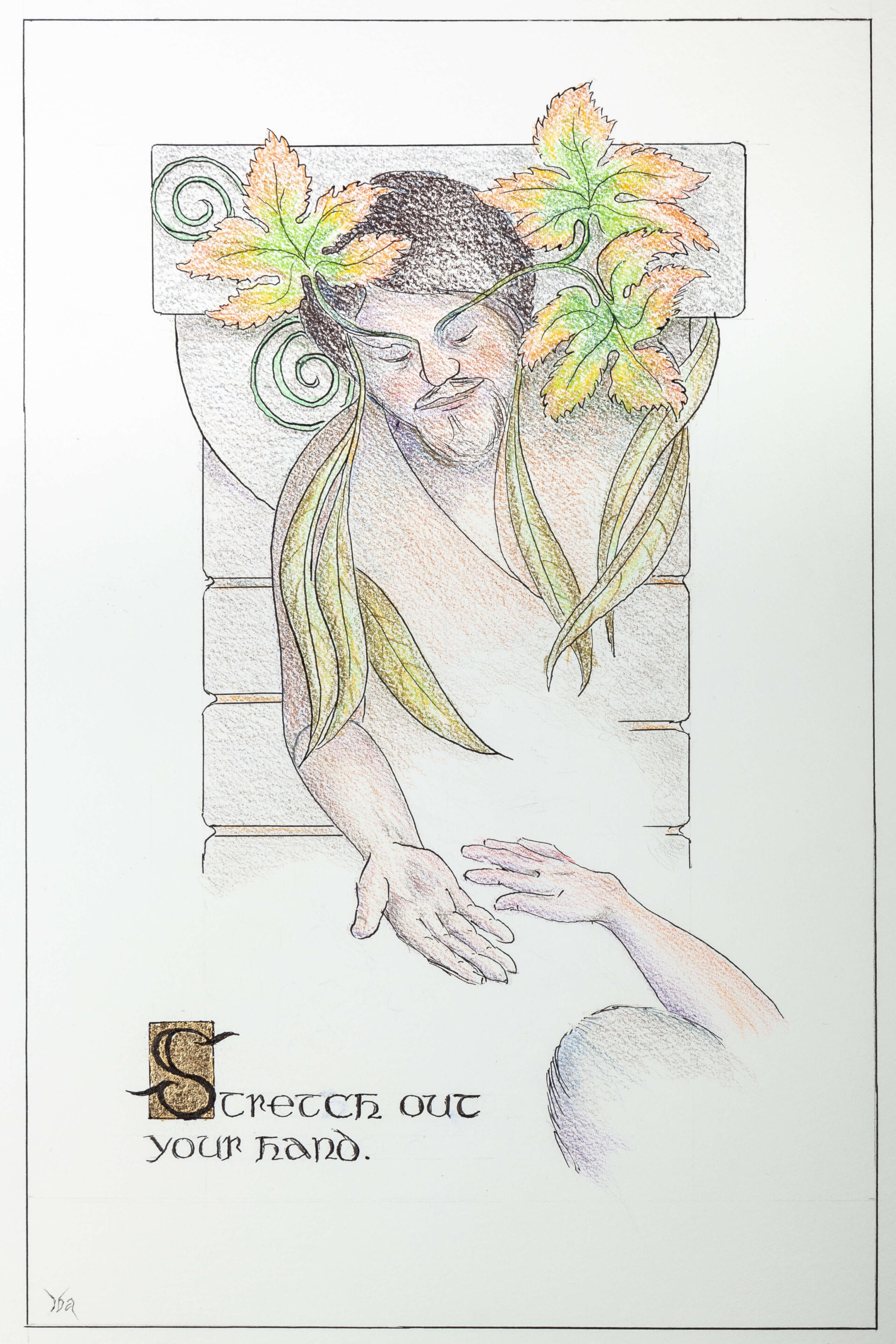
Ministry
watercolour pencils, indian ink, gold leaf: 25.5 x 38 cms. f. NFS
The Green Man and the Music of Creation
p. 39 x 39 cms. f. NFS